

If you’re considering upgrading your loft insulation, you’ve probably come across several different products and wondered which one is actually best. The truth is that there isn’t a single insulation material that’s perfect for every property. The ideal choice depends on factors such as your loft space, budget, energy-saving goals, and whether the loft is simply used for storage or is being converted into a living area.
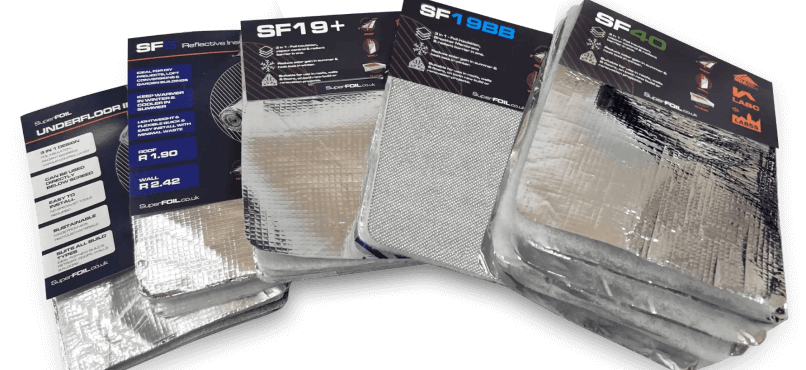
In the UK, the most commonly installed loft insulation products include Rockwool, fibreglass insulation, Knauf Loft Roll, and high-performance Multifoil systems such as SuperFOIL SF19+. While all of these products are designed to reduce heat loss through the roof, they achieve this in different ways and offer varying levels of thermal performance, fire protection, acoustic insulation, and space efficiency.
Around a quarter of a home’s heat can be lost through an uninsulated roof. During the colder months, this heat loss forces your heating system to work harder, resulting in higher energy bills and a less comfortable living environment. Effective loft insulation creates a thermal barrier that slows the movement of heat, helping your property stay warmer in winter and cooler in summer.
With energy costs remaining a concern for many households, loft insulation continues to be one of the most cost-effective home improvements available. However, choosing the right material is just as important as deciding to insulate in the first place.
Rockwool insulation is manufactured from volcanic rock that is heated and spun into dense mineral fibres. This process creates a highly durable insulation material that is widely recognised for its exceptional fire resistance and soundproofing qualities.
For homeowners living near busy roads, flight paths, or noisy neighbourhoods, Rockwool can provide a noticeable reduction in airborne sound. Its density also makes it highly resistant to fire, making it a popular choice in properties where safety is a major consideration.
The trade-off is that Rockwool is generally more expensive than traditional loft rolls and can be slightly more challenging to install due to its weight. Nevertheless, many homeowners view it as a long-term investment because of its durability and performance.
Fibreglass remains one of the most widely installed loft insulation materials in the UK. Available in large rolls, it has been used in millions of homes for decades and continues to offer excellent value for money.
The main attraction of fibreglass is affordability. It provides reliable thermal performance at a relatively low cost, making it an ideal solution for homeowners looking to improve energy efficiency without a significant upfront investment.
However, fibreglass does have limitations. It offers less sound insulation than mineral wool products and can become compressed if repeatedly walked on or stored under heavy items. It can also cause skin irritation during installation, which is why protective clothing is recommended.
For straightforward loft insulation projects where budget is the primary concern, fibreglass remains a practical and effective choice.
Knauf Loft Roll has become increasingly popular among homeowners and installers because it combines the affordability of traditional loft insulation with improved environmental credentials and installation comfort.
Manufactured using recycled glass and Knauf’s ECOSE® technology, the material is softer to handle than older forms of fibreglass and produces less dust during installation. This makes it easier and more pleasant to work with while still delivering strong thermal performance.
For most UK properties, Knauf Loft Roll strikes an excellent balance between cost, performance, sustainability, and ease of installation. It is often the insulation product recommended when homeowners ask for the best value solution rather than simply the cheapest or most expensive option.
Where Rockwool may excel in acoustic performance and SuperFOIL may offer superior space-saving benefits, Knauf Loft Roll sits comfortably in the middle and performs well across all key categories.
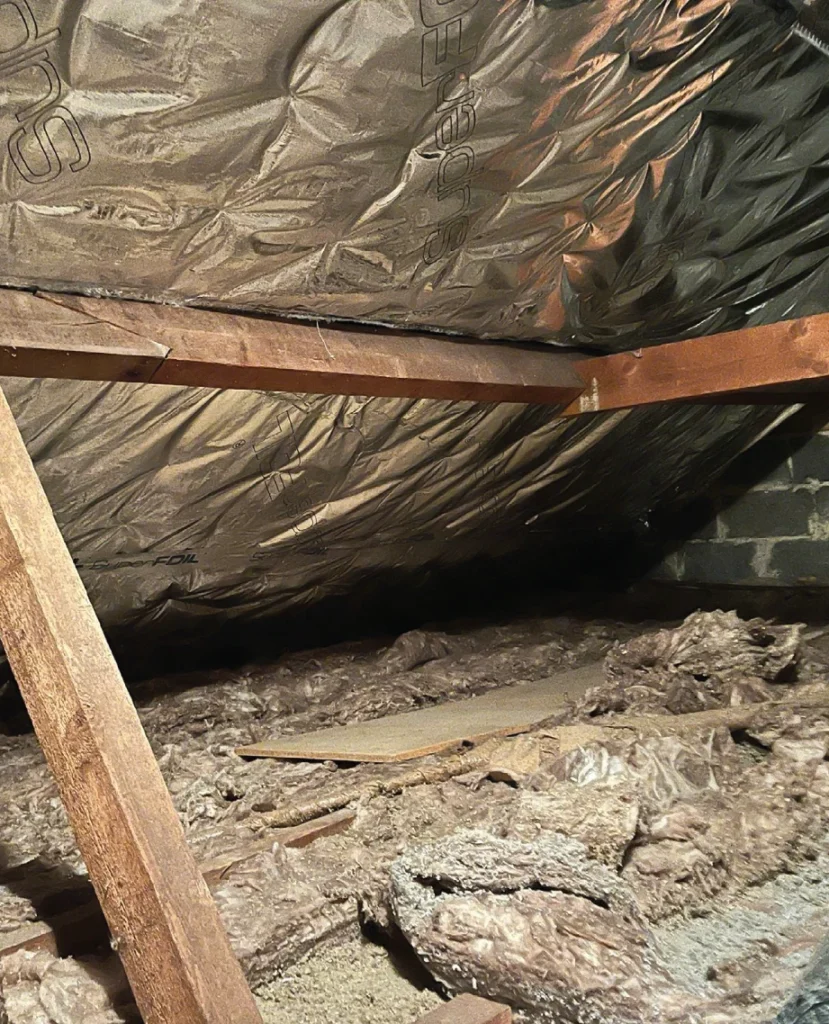
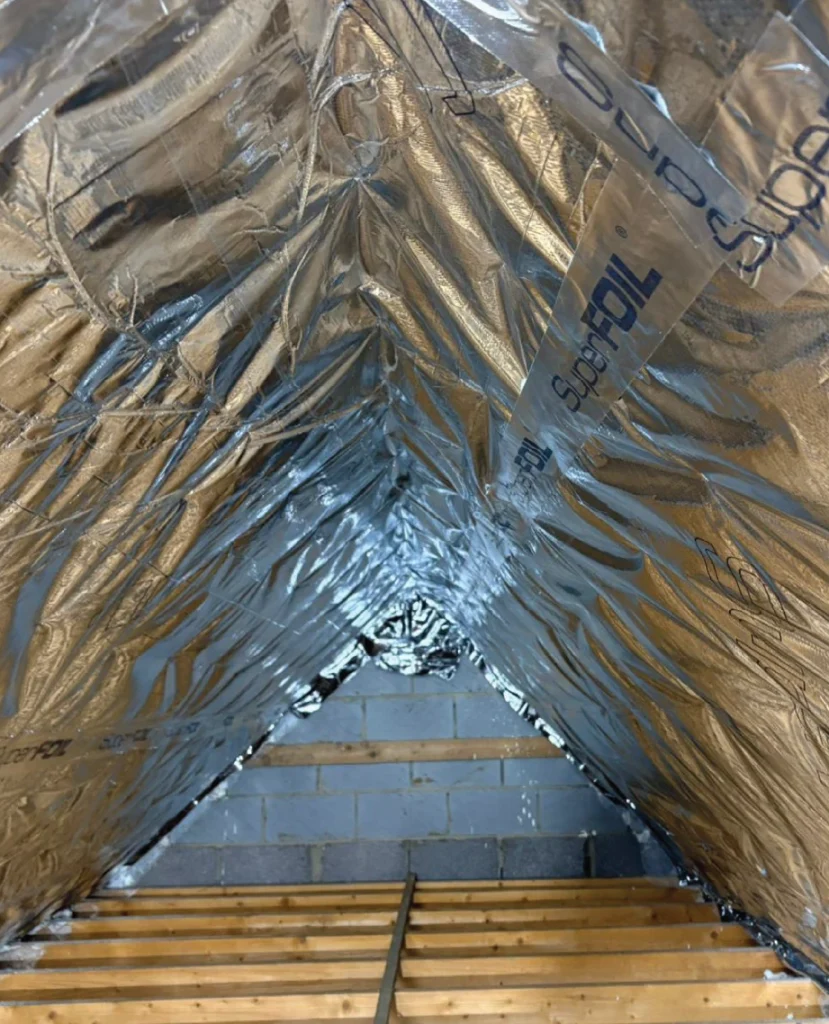
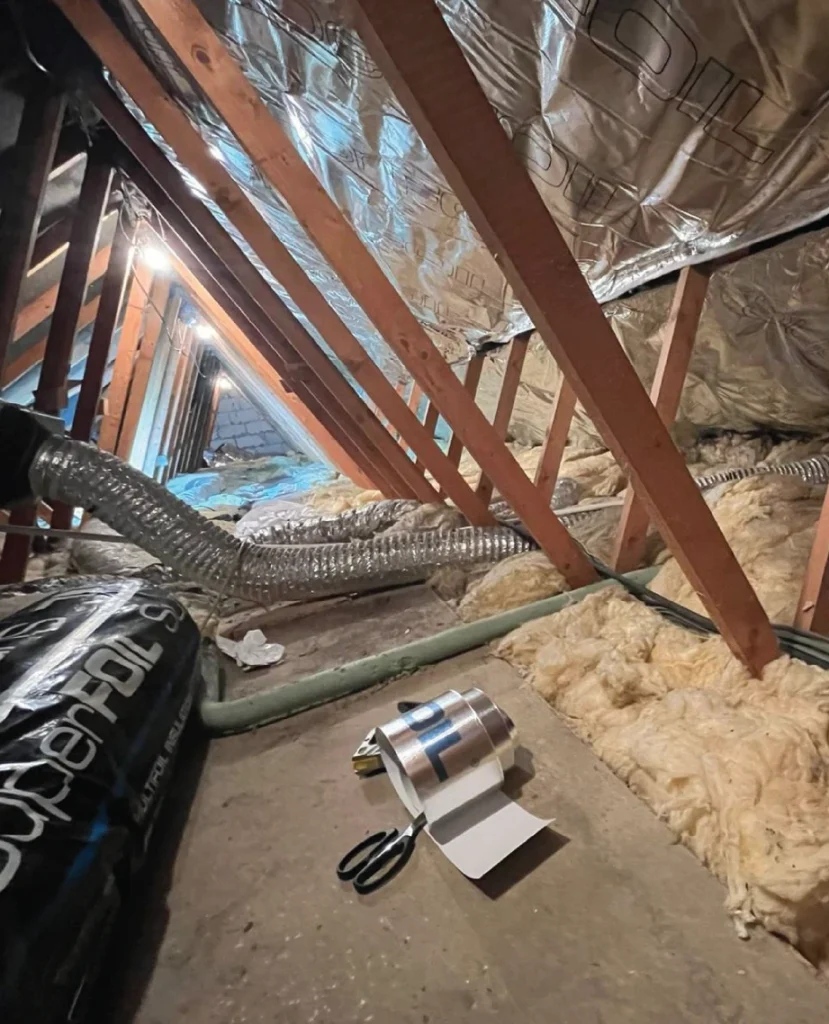
Traditional insulation materials rely on thickness to achieve high levels of thermal performance. SuperFOIL SF19+ takes a different approach. Using multiple reflective layers, thermal wadding, and vapour-resistant barriers, it is designed to maximise performance while minimising thickness.
This makes it particularly attractive for loft conversions, room-in-roof projects, and properties where available space is limited. Homeowners often choose multifoil insulation when they want to preserve headroom without compromising energy efficiency.
SuperFOIL also helps control condensation by acting as a vapour control layer, reducing the risk of moisture-related issues within the roof structure. While it is typically more expensive than traditional insulation products, its ability to save space can make the additional investment worthwhile.
For modern renovation projects where every inch of usable space matters, SuperFOIL SF19+ offers advantages that conventional loft insulation simply cannot match.
If your priority is achieving the best overall balance between performance and cost, Knauf Loft Roll is arguably the strongest all-round option for most UK homes. It provides excellent thermal efficiency, is straightforward to install, and offers good value for money.
If fire safety and noise reduction are at the top of your list, Rockwool is difficult to beat. Its dense mineral structure provides benefits beyond simple heat retention and makes it one of the most versatile insulation materials available.
Homeowners working to a tighter budget may find that traditional fibreglass insulation delivers everything they need at a lower cost, particularly when topping up existing insulation.
Meanwhile, for loft conversions and projects where space is at a premium, SuperFOIL SF19+ can provide impressive performance without the depth required by conventional insulation materials.
Ultimately, the best loft insulation is the one that matches your property’s specific requirements. A professional loft survey can identify heat loss issues, ventilation requirements, and insulation opportunities, ensuring you choose the most effective solution for your home.
If you’re wondering whether loft insulation could improve your EPC rating, we’re here to help.
Contact The Loft Insulation Experts today for a free, no-obligation quote and expert advice on improving your home’s energy efficiency.
Our team serves homeowners throughout Essex and can assess your current insulation levels and recommend the most effective upgrade options.