

Choosing the right loft insulation is one of the most effective ways to improve your home’s energy efficiency, reduce heat loss and lower heating bills. With several insulation products available on the market, homeowners often find themselves comparing traditional fibreglass insulation with newer solutions such as SuperFOIL SF19+ and rigid foam insulation boards.
While all three options can help improve thermal performance, they differ considerably in terms of installation, thickness requirements, cost and overall effectiveness. Understanding these differences can help you make the right decision for your property and budget.
A poorly insulated roof can be responsible for a significant proportion of heat loss within a home. As warm air naturally rises, an inadequately insulated loft allows valuable heat to escape, forcing your heating system to work harder to maintain comfortable temperatures.
Effective loft insulation creates a thermal barrier between your living space and the outside environment. This helps keep homes warmer during winter, cooler during summer and can contribute to lower energy consumption throughout the year.
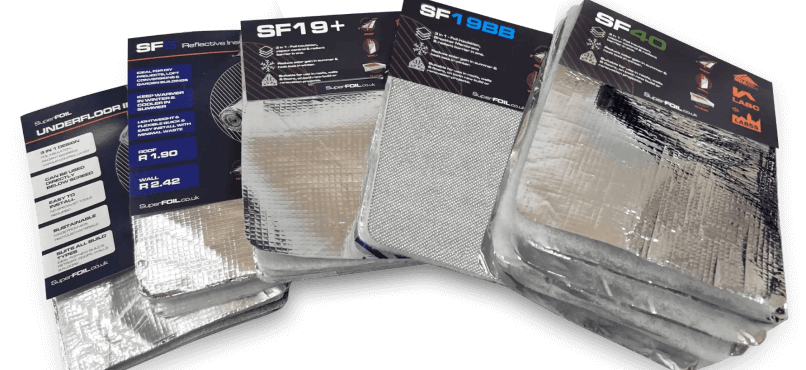
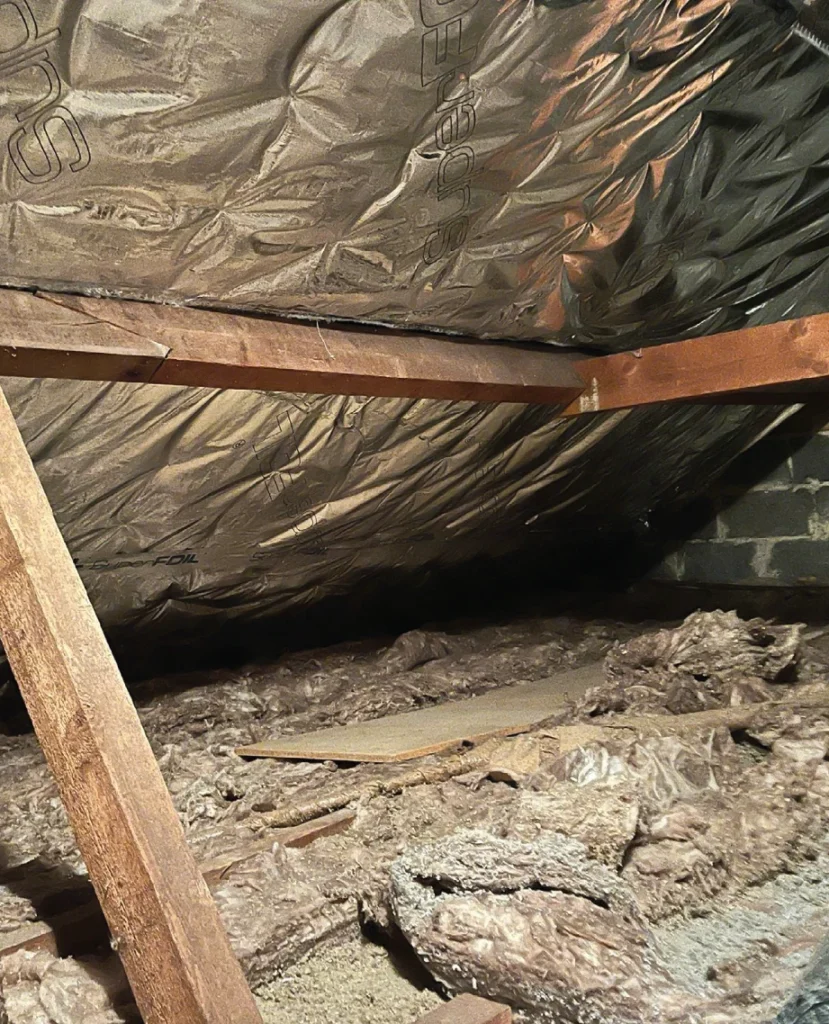
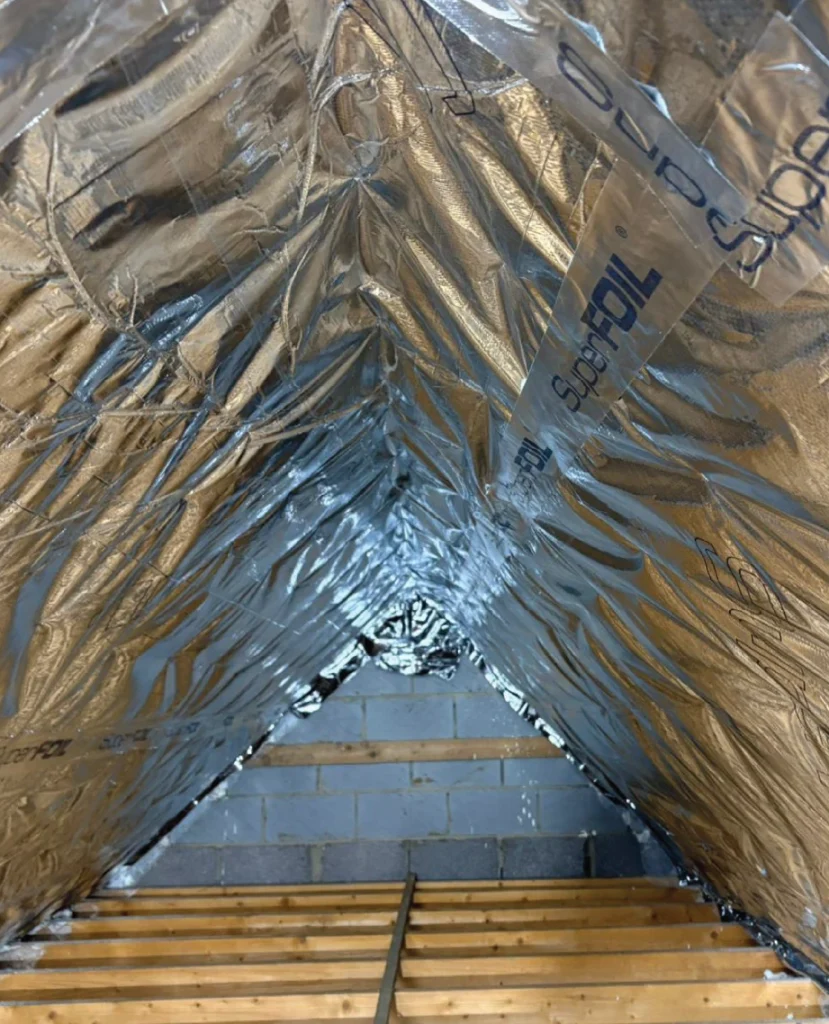
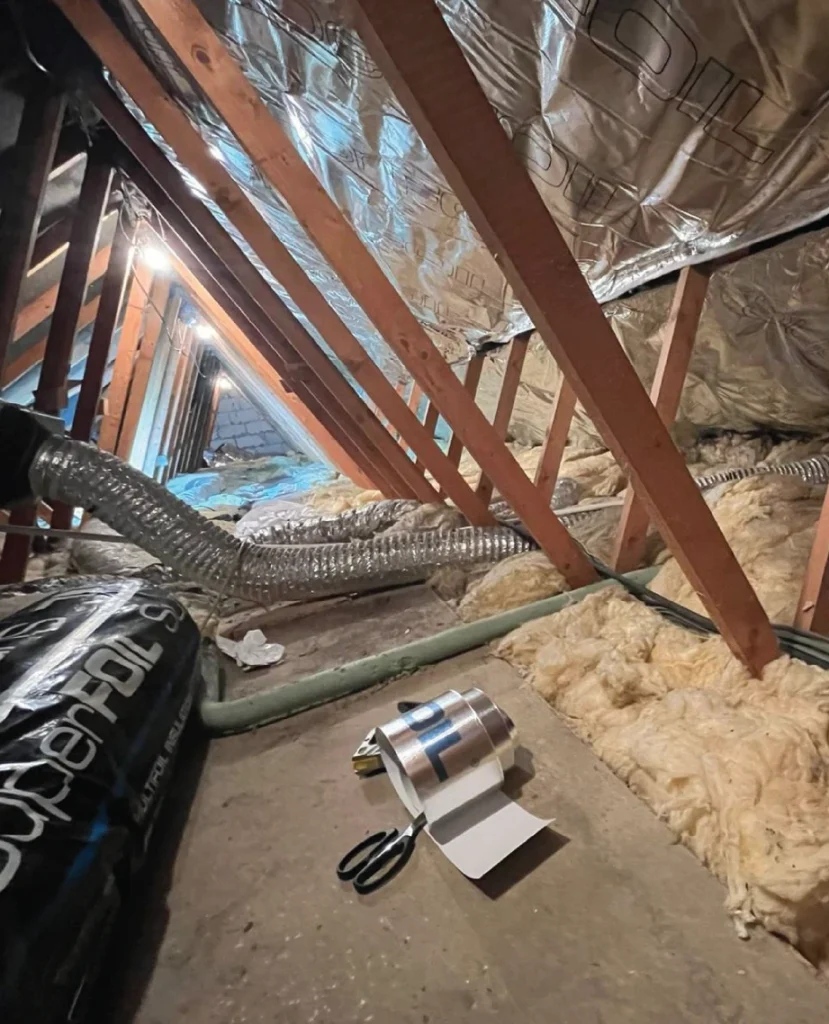
SuperFOIL SF19+ is a high-performance multi-layer insulation product that combines reflective foil layers, insulating wadding and vapour control properties into a single system. Unlike traditional insulation materials that rely solely on thickness to achieve thermal performance, SuperFOIL works by reducing radiant heat transfer while also providing conductive and convective insulation benefits.
One of the most appealing aspects of SuperFOIL SF19+ is its slim profile. At around 45mm thick, it offers a space-saving solution that is particularly attractive for loft conversions and roof upgrades where maintaining headroom is important. Because it incorporates a vapour control layer, it can also help reduce the risk of condensation within the roof structure.
Installation is generally straightforward, with the product being supplied in rolls that can be fitted across rafters. This often results in a quicker installation process compared with cutting and fitting rigid insulation boards.
Although the initial material cost is typically higher than fibreglass insulation, many homeowners appreciate the combination of thermal performance, moisture control and space efficiency offered by the system.
Fibreglass insulation has been a staple of UK loft insulation for decades and remains one of the most commonly installed products today. Made from fine strands of glass formed into flexible rolls, it is designed to trap air within its structure, reducing heat transfer through the roof space.
The primary advantage of fibreglass is affordability. It remains one of the most cost-effective ways to improve loft insulation and can provide excellent thermal performance when installed at the recommended depth. For homeowners looking for a straightforward insulation upgrade without a significant investment, fibreglass often represents an attractive option.
However, achieving modern insulation standards typically requires substantial thickness, often around 270mm or more. This can reduce usable storage space within the loft and may make future access more difficult. Fibreglass can also be less effective if compressed or disturbed, and many installers find it uncomfortable to work with due to the irritating fibres released during handling.
For traditional cold lofts where storage space is not a priority, fibreglass continues to offer good value and reliable performance.
Rigid foam insulation boards, commonly manufactured from PIR (polyisocyanurate), are widely regarded as one of the highest-performing insulation products available for residential roofs. Products from manufacturers such as Kingspan and Celotex are frequently used in loft conversions and warm roof constructions where high thermal efficiency is essential.
The key advantage of foam boards is their exceptional insulating capability relative to their thickness. Compared with fibreglass, significantly less material is required to achieve similar or better thermal performance. This makes PIR boards particularly useful in situations where space is limited but building regulations require demanding U-value targets to be met.
Foam boards are often installed between and beneath rafters, creating a highly efficient insulated envelope around the roof structure. When fitted correctly, they can deliver excellent long-term thermal performance and help create comfortable living spaces within converted lofts.
The main drawback is that installation can be more labour-intensive. Boards must be carefully measured, cut and fitted to minimise gaps that could create thermal bridges. Material costs are also generally higher than fibreglass, making PIR systems one of the more premium insulation solutions available.
When comparing SuperFOIL SF19+, fibreglass and foam boards, the choice often comes down to balancing performance, space and budget.
Fibreglass remains the most economical solution and performs well when sufficient depth is available. However, its bulk can be a disadvantage in lofts where storage space or headroom matters.
SuperFOIL SF19+ occupies a middle ground, offering good thermal performance in a much thinner build-up while also providing integrated vapour control. Its ease of installation and space-saving qualities make it particularly attractive for refurbishment projects and loft conversions.
Foam boards generally offer the highest thermal performance per millimetre of thickness and are often the preferred option for achieving the lowest U-values. For homeowners undertaking major renovations or creating habitable loft spaces, PIR boards remain one of the most effective insulation solutions available.
There is no universal answer because every property has different requirements. For homeowners seeking the lowest upfront cost, fibreglass often remains the practical choice. For those looking to maximise space while improving thermal performance, SuperFOIL SF19+ offers a modern and versatile alternative. Where achieving the highest levels of energy efficiency is the priority, rigid foam boards typically provide the strongest overall performance.
At The Loft Insulation Experts, we help homeowners identify the most suitable insulation solution based on their property’s construction, budget and long-term energy-saving goals. Whether you are upgrading an existing loft, planning a loft conversion or improving your home’s overall efficiency, professional advice can ensure you achieve the best possible results from your investment.
If you’re wondering whether loft insulation could improve your EPC rating, we’re here to help.
Contact The Loft Insulation Experts today for a free, no-obligation quote and expert advice on improving your home’s energy efficiency.
Our team serves homeowners throughout Essex and can assess your current insulation levels and recommend the most effective upgrade options.