

Loft insulation is one of the most common ways homeowners look to make their homes warmer and reduce heat loss. But before deciding whether to insulate your loft, it helps to understand what loft insulation actually does, which materials are available and how much the insulation itself can cost when buying from local retailers.
The answer is not as simple as choosing the cheapest roll from a DIY store. Different insulation materials have different properties, thicknesses, installation requirements and suitability for different loft spaces.
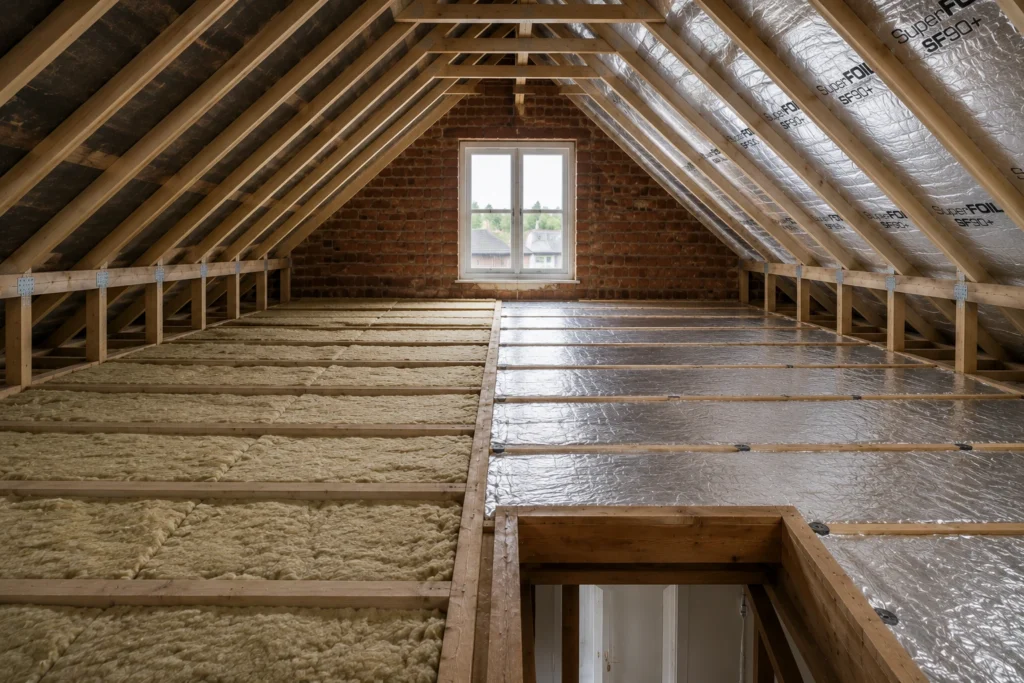
Warm air rises. In an uninsulated or poorly insulated home, heat from your living spaces can escape upwards through the ceiling and into the loft.
Loft insulation creates a thermal barrier between the heated rooms below and the colder roof space above. It slows down the transfer of heat, helping your home retain warmth for longer.
This can help with:
The better the loft is insulated, the more difficult it becomes for heat to transfer through the ceiling structure.
However, insulation only performs properly when the right material, depth and installation method are used.
Most insulation materials work by trapping pockets of air.
Still air is a poor conductor of heat, so insulation slows down the movement of heat from the warm side of your home towards the colder loft.
Different insulation materials achieve this in different ways.
Traditional mineral wool, for example, uses fibres to trap air. Multilayer foil insulation uses multiple reflective and insulating layers to reduce different forms of heat transfer. Natural materials such as sheep’s wool also contain pockets of air within their fibres.
This is why there is no single insulation product that is automatically best for every home.
The cost of buying loft insulation can vary considerably depending on:
Below is a general guide to the types of insulation homeowners may find through local builders’ merchants and DIY retailers.
Knauf Loft Roll is one of the most widely available types of loft insulation in the UK.
It is a glass mineral wool product commonly used across conventional loft floors.
For a typical home, the cost of purchasing enough material can vary significantly depending on the required depth and the size of the loft.
As a general guide, homeowners may spend a few hundred pounds on materials alone for a standard-sized loft.
The final cost will depend on how many rolls are required and the thickness being installed.
Rockwool is a denser mineral wool insulation and is available in a variety of products and thicknesses.
It is commonly used where thermal and acoustic performance are both considerations.
Rockwool can cost more than basic glass mineral wool, particularly when using higher-density products.
Depending on the product and coverage required, material costs for a residential loft can range from several hundred pounds upwards.
Sheep’s wool is a natural insulation material and is generally more expensive to purchase than standard mineral wool products.
The material offers an alternative for homeowners who prefer natural insulation and want to consider its moisture-handling characteristics.
Because sheep’s wool insulation is often sold at a higher price per square metre, the cost of insulating a complete loft can be significantly higher than basic mineral wool.
However, suitability and performance should be considered alongside the initial material price.
SuperFOIL is a multilayer insulation system made from multiple reflective and insulating layers.
The cost depends on the specific SuperFOIL product being used and the application.
For some loft and roof projects, the slim profile and installation method can make multilayer insulation particularly useful where space is restricted.
Material prices can vary substantially, so comparing products purely by the price of a roll can be misleading. The important comparison is the coverage and performance provided for the intended application.
Buying insulation from a local retailer may initially appear cheaper, but the material cost is only one part of the project.
Before purchasing insulation, homeowners need to consider:
Is the Existing Insulation Still Suitable?
Old insulation may be compressed, damaged, contaminated or poorly fitted.
How Much Insulation Is Already There?
The existing depth and condition should be considered before adding more material.
Is the Loft Ventilated Correctly?
Insulation should not interfere with the property’s required ventilation.
What Areas Need Insulating?
A loft floor, roof structure and converted loft may all require different approaches.
Can You Install It Correctly?
Gaps, compression and poor fitting can reduce the effectiveness of insulation.
This is why some homeowners choose professional installers rather than simply buying insulation from a retailer and fitting it themselves.
Not necessarily.
The cheapest insulation may be suitable for a straightforward loft, but it may not be the best option where:
The best insulation is the one that is suitable for your property and correctly installed.
At The Loft Insulation Experts, we don’t believe every loft should receive the same insulation.
We work with different insulation options, including SuperFOIL Multilayer Foil, Rockwool, Sheep’s Wool and traditional loft roll systems.
Each material has different benefits, costs and applications.
Before making a decision, it is worth considering the construction of your loft, how you use the space, what insulation is already present and what you want to achieve.
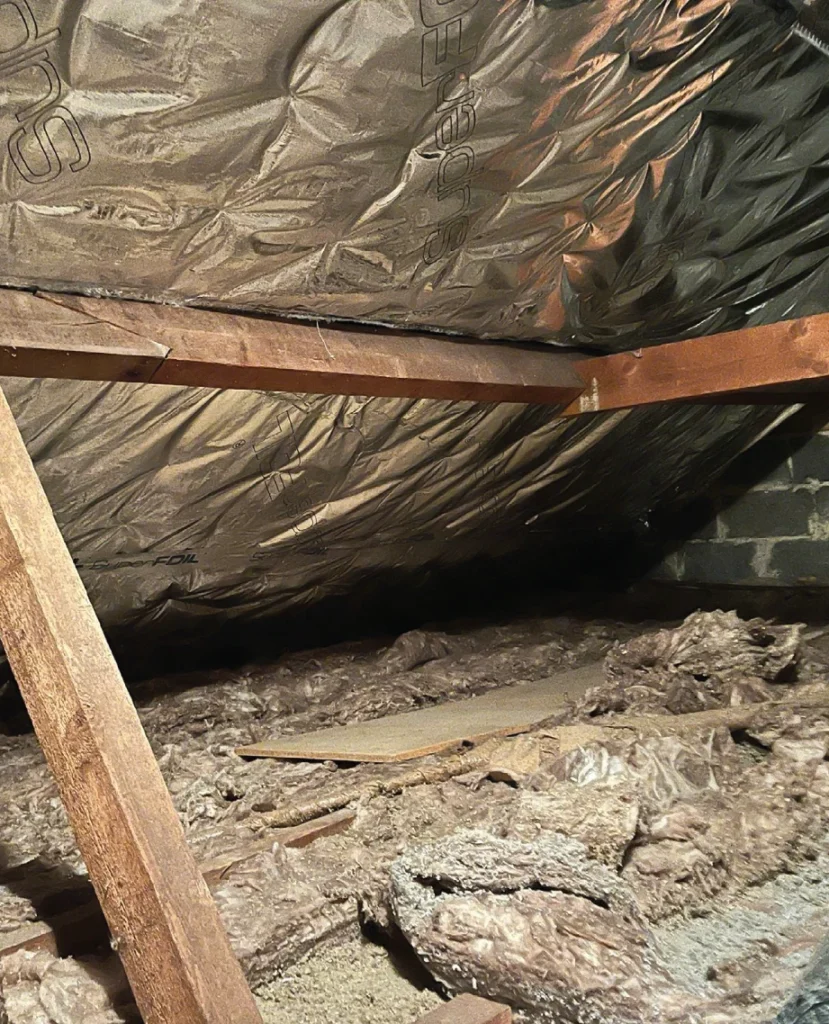
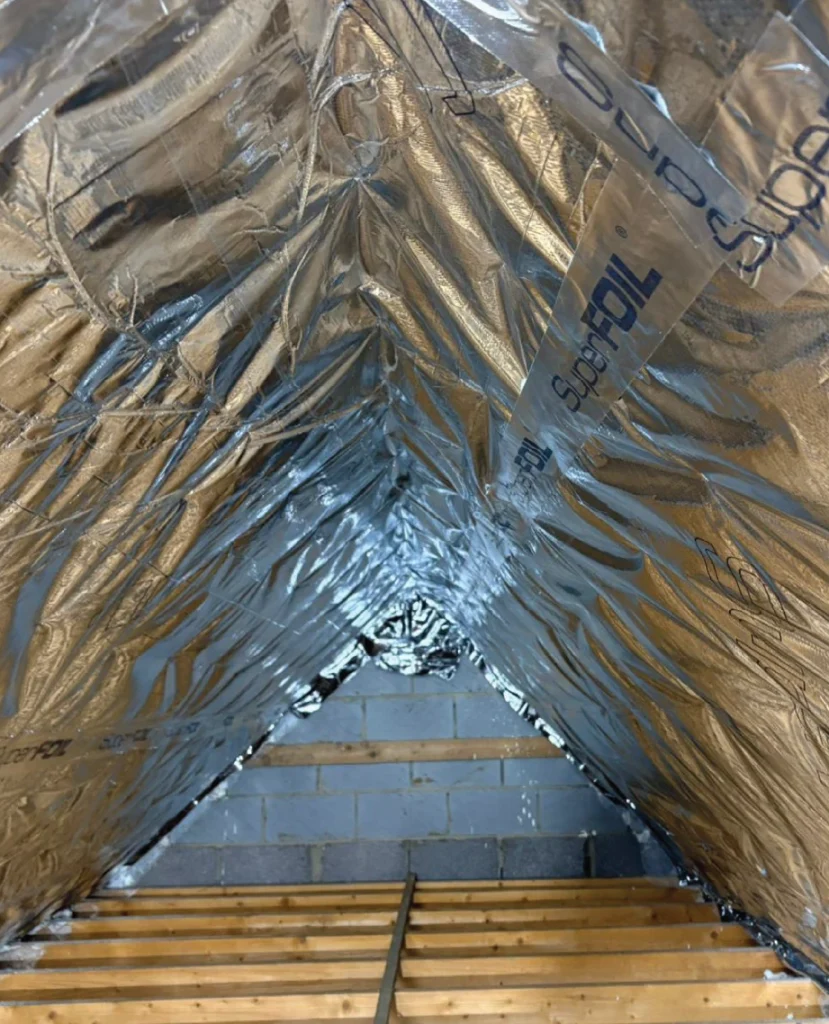
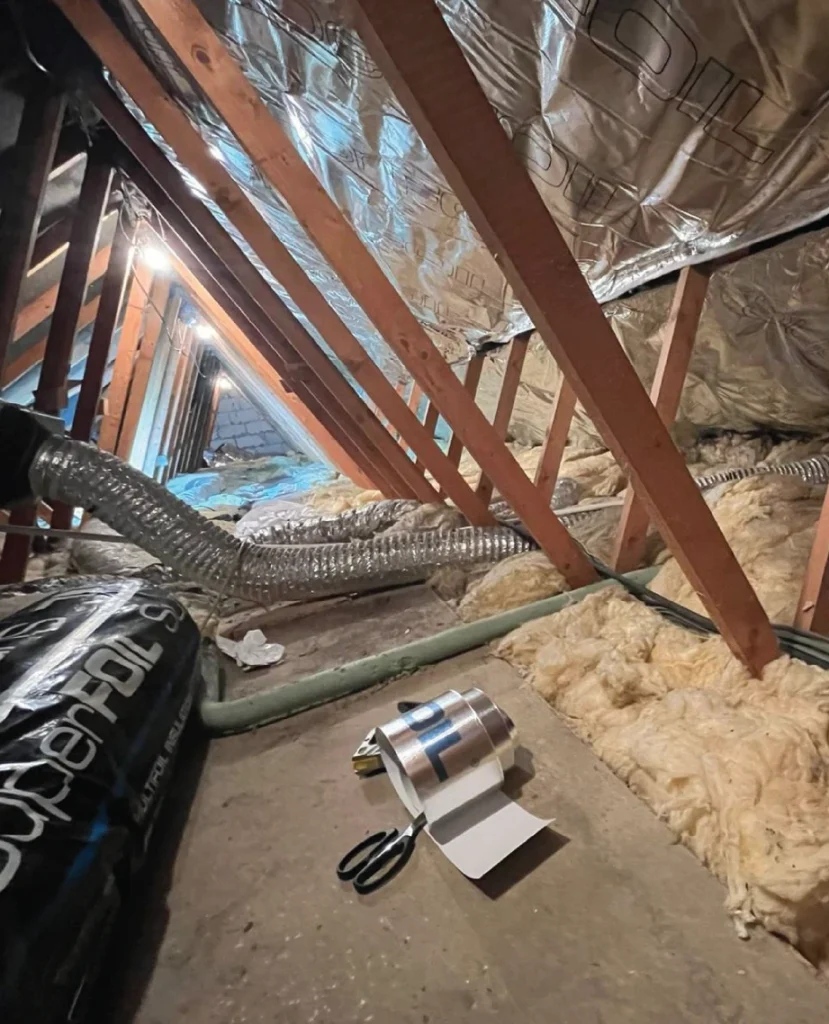
If you’re unsure which type of insulation is suitable for your home, our team can assess your loft and explain the available options.
We’ll look at your property and help you understand the differences between the materials, their suitability and the likely installation requirements.
Contact The Loft Insulation Experts to discuss your loft insulation options and request a free quote.